article
Five Texture Plugins Producers Should Know: Baby Audio, FabFilter, FSK Audio, and More
From Baby Audio's instant warmth to FSK Audio's hardware-inspired grit, five plugins are changing how producers approach texture in 2026.
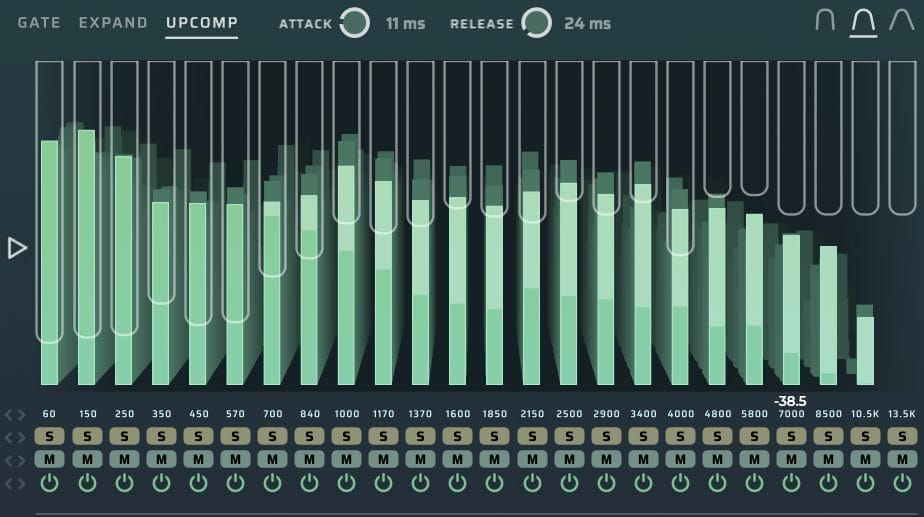
In an era where digital production tools can make everything sound pristine to the point of sterility, the pursuit of texture has become one of the defining obsessions in electronic music production. The difference between a track that feels alive and one that feels cold often comes down to a handful of carefully chosen plugins — and lately, a specific set of tools has been earning serious praise from producers across the spectrum.
Why Texture Matters in Electronic Music
Modern DAWs and virtual instruments are engineered for clarity. That's useful, but clarity without character can leave a mix feeling flat. Texture — the subtle grit, warmth, movement, and imperfection that makes sound feel physical — is what bridges the gap between a technically correct production and one that genuinely moves people. Whether it's the gentle saturation of an analog signal chain, the shimmer of reverb tails, or the crackle of a vinyl simulation, these qualities invite the listener in.
The challenge is adding texture without muddying a mix. That's where the right plugins become essential.
The Five Plugins Making the Rounds
Baby Audio
Baby Audio has carved out a distinctive identity in the plugin market by focusing on feel over function. Their tools consistently prioritize the emotional response of a listener rather than purely technical specifications. Plugins from this developer are known for their intuitive interfaces and their ability to introduce warmth and depth without requiring hours of fine-tuning. For producers who want immediate, musical results, Baby Audio products have become go-to tools in the texture conversation.
FabFilter
FabFilter needs little introduction — their suite of processors has been industry-standard for years. But within the context of texture, FabFilter's tools shine because of their transparency and precision. The ability to sculpt exactly how much color or character you're adding, without unwanted artifacts, makes FabFilter essential for producers who want control over every nuance of their sonic palette. Their reverb and saturation tools in particular have become central to how modern electronic productions are finished.
FSK Audio
FSK Audio is the newer name on this list, but one generating genuine buzz in production circles. Their approach to texture leans into the tactile and the analogue-inspired, with algorithms that aim to replicate the subtle imperfections of hardware signal paths. For producers sourcing that elusive 'it sounds like a record' quality, FSK Audio's offerings are increasingly entering the shortlist.
The Broader Principle: Texture as a Production Philosophy
What unites these tools is a shared philosophy: that electronic music benefits from a degree of organic unpredictability. Random modulation, harmonic saturation, subtle noise floors, and the smear of reverb all contribute to a sense that sound exists in physical space, not just in a computer.
The most effective use of texture plugins tends to be subtle — applied lightly across multiple elements rather than heavily on one. A touch of harmonic distortion on a pad, a gentle saturation pass on a drum bus, a whisper of room reverb on a synth lead: these micro-decisions compound into a production that feels cohesive and alive.
Choosing the Right Tool for the Job
- For instant warmth with minimal setup: Baby Audio's range is hard to beat for speed and musicality.
- For precise, surgical control over color: FabFilter remains the professional standard.
- For that hardware-inspired grain and grit: FSK Audio is worth exploring, especially for techno, house, and ambient producers.
As plugin development continues to mature, the gap between digital and analogue texture is closing fast. The tools available today — from established names like FabFilter to emerging developers like FSK Audio — give producers more options than ever to inject character, depth, and life into their work. The question is no longer whether you can add texture digitally, but which tools help you add exactly the right kind.
Frequently Asked Questions
What does 'texture' mean in the context of music production?+
Texture in music production refers to the subtle sonic qualities — warmth, grain, harmonic distortion, movement, and organic imperfection — that make a sound feel physical and alive rather than clinically digital. It's often the difference between a mix that feels cold and one that emotionally engages the listener.
Which plugins are best for adding texture to electronic music?+
Several plugins have earned strong reputations for texture work, including tools from Baby Audio, FabFilter, and FSK Audio. Baby Audio is favored for its musical, intuitive warmth; FabFilter for precise, transparent control; and FSK Audio for hardware-inspired grain and analog character.
Can you add too much texture to a mix?+
Yes — over-applying texture plugins can muddy a mix or introduce unwanted noise and distortion. The most effective approach is to apply texture subtly across multiple elements rather than heavily on a single channel, allowing the cumulative effect to build cohesion without compromising clarity.
Is FSK Audio suitable for beginners?+
FSK Audio leans toward producers with some experience who are specifically chasing an analog or hardware sound. That said, like most modern plugins, their tools are designed with usability in mind, making them accessible even if their sonic niche is more specialized than general-purpose processors.
Do texture plugins work across all genres of electronic music?+
Absolutely. While the application differs — techno producers might use heavier saturation and vinyl-style noise, while ambient or deep house artists might favor subtle harmonic warmth and reverb shimmer — the core principle of adding organic character applies across every subgenre of electronic music.